
 Round
Round
 Oval
Oval
 Marquise
 Pear
Pear
 Emerald
 Radiant
 Elongated
 Asscher
 Princess
 Moval
Moval
 Heart
Heart
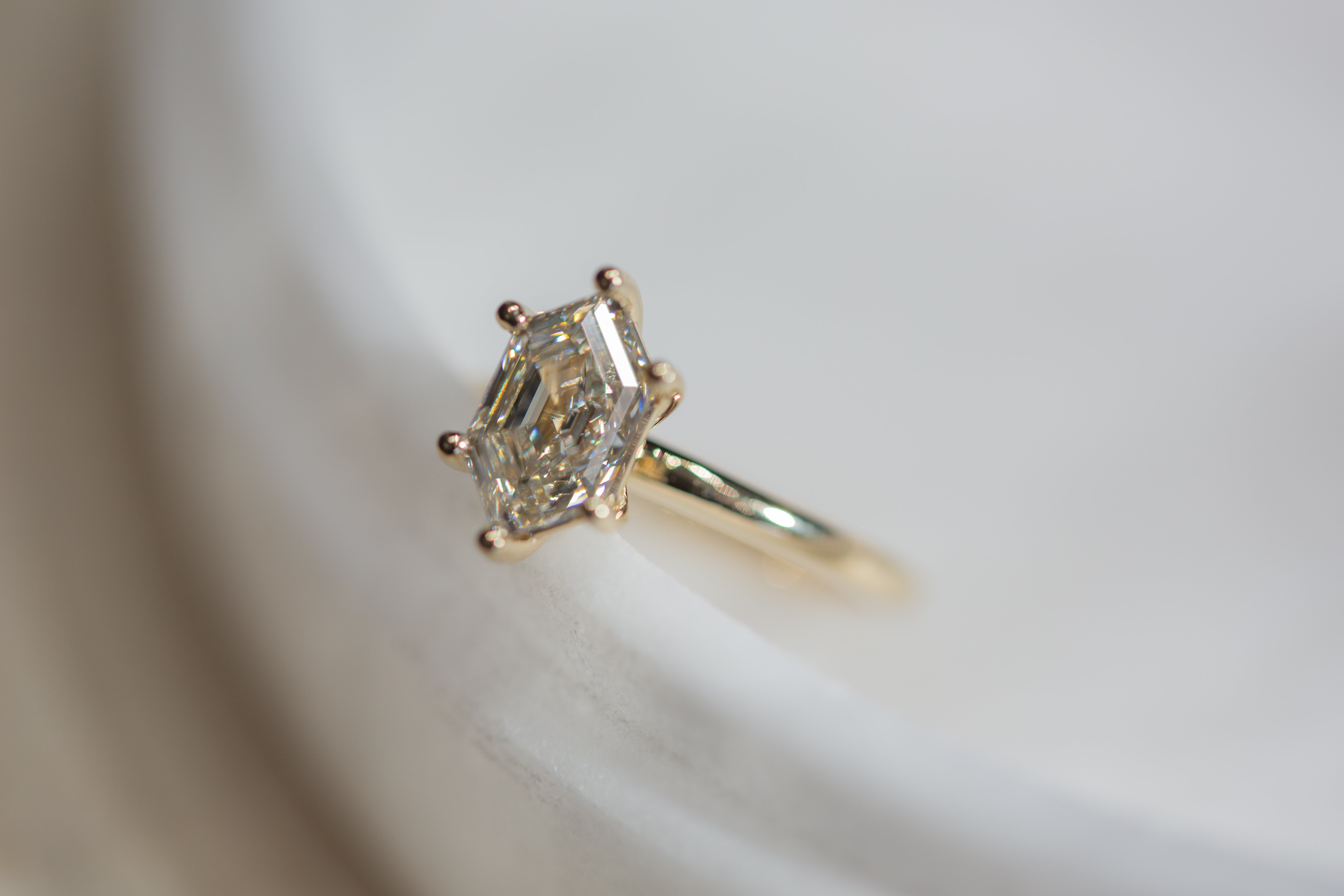
Lab-Grown vs Natural Diamonds
Two diamonds, same chemistry and sparkle, with very different backstories
What You Need to Know

How They Are Formed
Natural diamonds are created deep within the earth over billions of years and brought to the surface through volcanic activity before being mined.
Lab grown diamonds are formed in high tech chambers using HPHT or CVD, recreating the same heat and pressure found underground in a matter of weeks.
Both are 100 percent real diamond, carbon crystal with identical optical and hardness properties.

Do They Look Different
None to the naked eye. Even gem labs need advanced instruments to tell them apart.
Both natural and lab grown diamonds can be graded by leading labs like the Gemological Institute of America or the International Gemological Institute and often include laser inscriptions for identification.

How They Are Priced
Natural diamonds are priced based on rarity and mining costs, which helps keep values relatively stable over time.
Lab grown diamonds typically cost significantly less for the same size and quality because production is faster and scalable.
Lindwedel tip: If long term value or heirloom tradition matters most, natural may be worth the premium. If size is your priority and budget is firm, lab grown gives you more carat for the dollar.

Value Over Time
Natural diamonds have historically held value more consistently, with gradual price movement over time.
Lab grown diamonds tend to decrease in price as technology advances and supply grows, meaning long term value is typically sentimental once purchased.
Our Approach
We do not push one over the other.
We show you both side by side so you can compare and decide what feels right.
Because the best diamond is not defined by where it came from, it is defined by how it makes you feel when you wear it.
Lets Find Yours
Whether you are leaning natural, lab grown, or still deciding, we are here to guide you through it in a way that actually makes sense.